Raulston’s Hardy Viburnum – #3 Container
Original price was: $23.38.$12.14Current price is: $12.14.
Description
Compact, elegant and improved native cultivar Raulston’s Hardy Viburnum (Viburnum obovatum ‘Raulston’s Hardy’) brings tremendous benefit to your local ecology! You’ll provide nectar for beneficial pollinators as they flutter amongst the star-shaped, fragrant cymes of small white blooms in spring. Over the season, watch showy burgundy red fruit drupes turn blue-black and feed hungry local songbirds too!
With a densely-branched form, Raulston’s Hardy Viburnum fits even small space gardens. These trim shrubs look great in all seasons, even coated with a snowy cloak in wintertime. If the weather stays cool at night, you’ll see purple fall color in the fine-textured, semi-evergreen foliage. Heat hardy throughout USDA growing zones 6-10, these smaller shrubs keep to a modest 3-4 feet in mature height and width, without much work or fuss from you!
Larval Host Plant for the Azure Butterfly, these are supreme wildlife and pollinator beneficial shrubs! Its native habitat spans coastal plains and thickets to swamp margins where it is largely ignored by deer. This adaptable plant can put up with occasional wet soils and dry soils alike, once established. Pop them into Rain Gardens to manage runoff, or use in Waterwise Xeriscapes with aplomb.
Planting and Application:
For year-round cover and privacy – add, replace or augment your home’s foundation plantings with this showy selection! They stay trim and naturally tidy; rarely needing pruning! Run them in a long, low hedge at the front of your shrub border for a sophisticated, low-maintenance look. Space them 30 inches apart on center for a solid planting – stagger a second and third rows to create a mass planting.
Ideal in groupings for wildlife and pollinator habitats, anchor a butterfly garden or bird-friendly shelterbelt with these versatile shrubs! You could also use Raulston’s Hardy Viburnum as a backdrop for your perennial or cottage border. Many people consider it an alternative to Boxwood, as it serves the same kind of purpose to define your garden design. Tuck into Rock Gardens u0026amp; Moon Gardena or Rain Gardens alike, use as street-side plantings, along paths and driveways or divide your front yard from the busy street!
- Clusters of Lovely White Blooms
- Glossy Semi-Evergreen Leaves
- Glorious Purple Fall Color u0026amp; Blue-Black Berries for Songbirds
- Compact Form Easily Fits Modern Lots
- Wet/Dry Conditions, Hedges, Erosion, Specimens u0026amp; Foundations
ProPlantTips for Care:
Plant this Viburnum variety in either full sun or partial shade with at least four hours of direct sunlight a day. They will adapt to most soils without fuss. Resistant to deer and rabbits; it also tolerates dry soil, wet soil, heat, humidity, salt and clay soil. Apply a three-inch layer of mulch over the root system, especially in drier conditions, then pull it away from touching the stems. Prune to shape as needed after the first flush of flowers is finished. Remove crossing branches and any branches that may be damaged, trim at a 45-degree angle.
- Full Sun u0026amp; Partial Shade
- Once Established Tolerates Moist to Dry Well-Drained Soil
- Prune After Flowering u0026amp; Mulch Roots Well
- Clay Soil u0026amp; Juglone Tolerant
- Tolerant of Mild Coastal (Saline) Conditions u0026amp; Rarely Bothered by Deer
Order the fantastic Raulston’s Hardy Viburnum today and enjoy all the benefits a versatile and adaptable native cultivar can provide you and your landscape! You’ll love hardy ornamentals delivered to your doorstep by NatureHills.com!
Frequently Asked Questions
Are Viburnum Bushes Fragrant?
The flowers on Raulston’s Viburnum have a mild pleasant fragrance!
When Do You Prune Flowering Viburnum Shrubs?
Viburnum shrubs bloom on old wood, so it is very important to only prune them immediately after the flowers fade. Should you wish to enjoy the fruit that forms after the flowers fade, then do not prune, instead remove one-third of the oldest, fattest stems that are no longer as vigorous. Pruning them out at the ground level. This leaves fruit for birds and winter interest and increases overall plant vigor while reducing the size of your shrub.
Do Viburnums Like Full Sun or Shade? What is the Best Location for Viburnum?
Viburnums in general need full sun for the most fruit and flowers, but also do well in partial shade and afternoon shade. Highly adaptable, they enjoy mulched, enriched, well-drained soil that is slightly acidic. They need regular moisture while young, but once established will only need supplemental moisture during extreme heat and drought.
Does Raulston’s Hardy Viburnum Produce Fruit?
Raulston’s Viburnum will produce burgundy red berries that turn blue-black in the fall but they need another similar Viburnum obovatum planted nearby for cross-pollination.
Does Viburnum Spread? How tall does Raulston’s Viburnum get?
Raulston’s Viburnum can form suckers at the base of the plant, but these can be removed when pruning after flowering or mowed down if you do not wish it to spread. Not invasive, these plants will politely form tidy thickets over time when allowed. Raulston’s Viburnum can grow 3-4 feet tall and wide in optimal conditions.
Do Viburnum Shrubs Lose Their Leaves in Winter?
Raulston’s Viburnum is a deciduous shrub that will drop its leaves in very cold winters in the fall with yellow coloration. In mild winter climates, this Viburnum can remain semi-evergreen.
What Shipping Options Do You Offer?
NatureHills.com works closely with our growers and nursery professionals to ensure we ship when it is most appropriate for your area. Our goal is to deliver the hardiest plants by avoiding extreme high and low temperatures. Check out our shipping schedule for more information and to learn our wills and don’ts when it comes to shipping plants. Find your Viburnum Bushes for sale here at NatureHills.com!
Related products
-
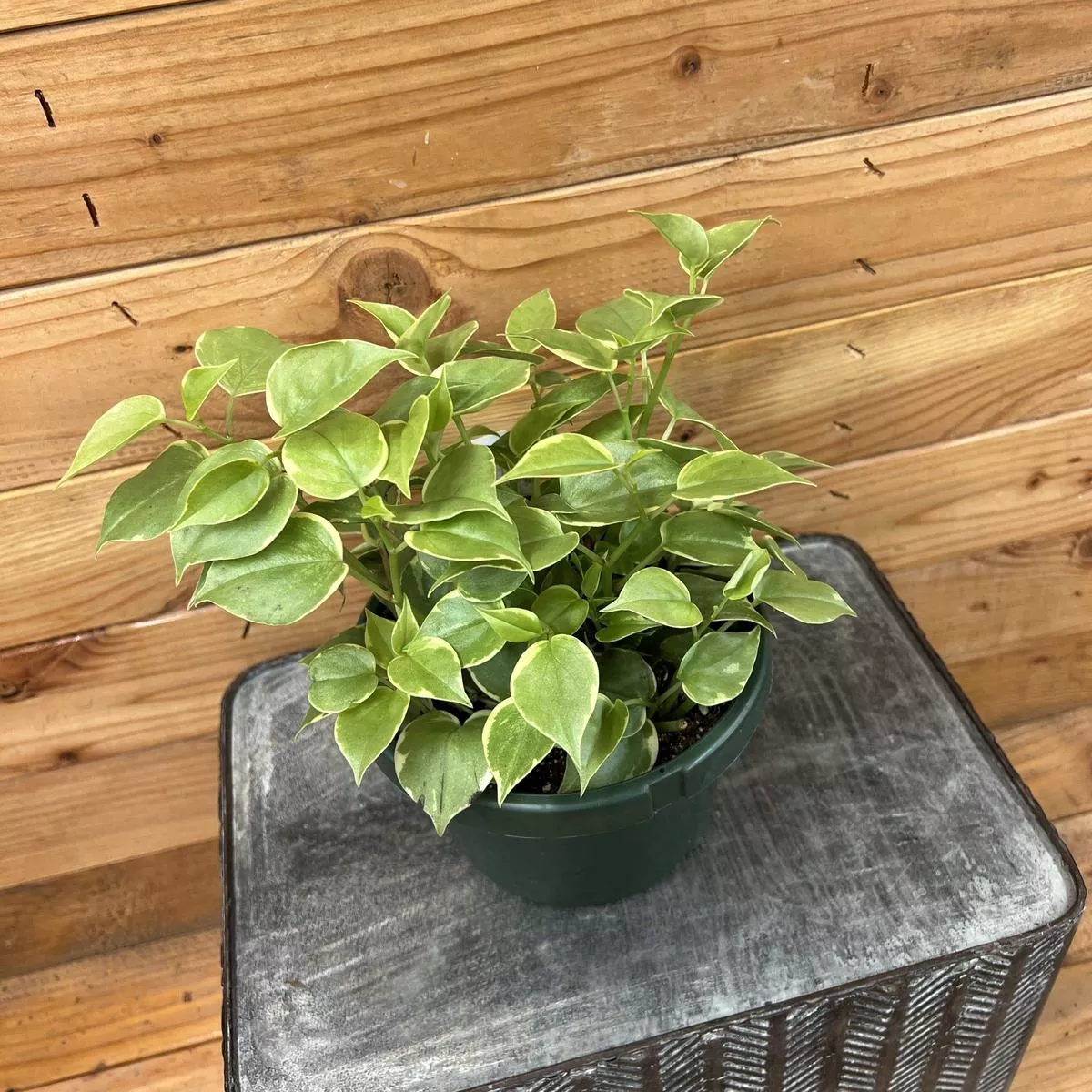
Peperomia Scandens Variegated, 6 ” Plant
Original price was: $12.79.$9.07Current price is: $9.07. -
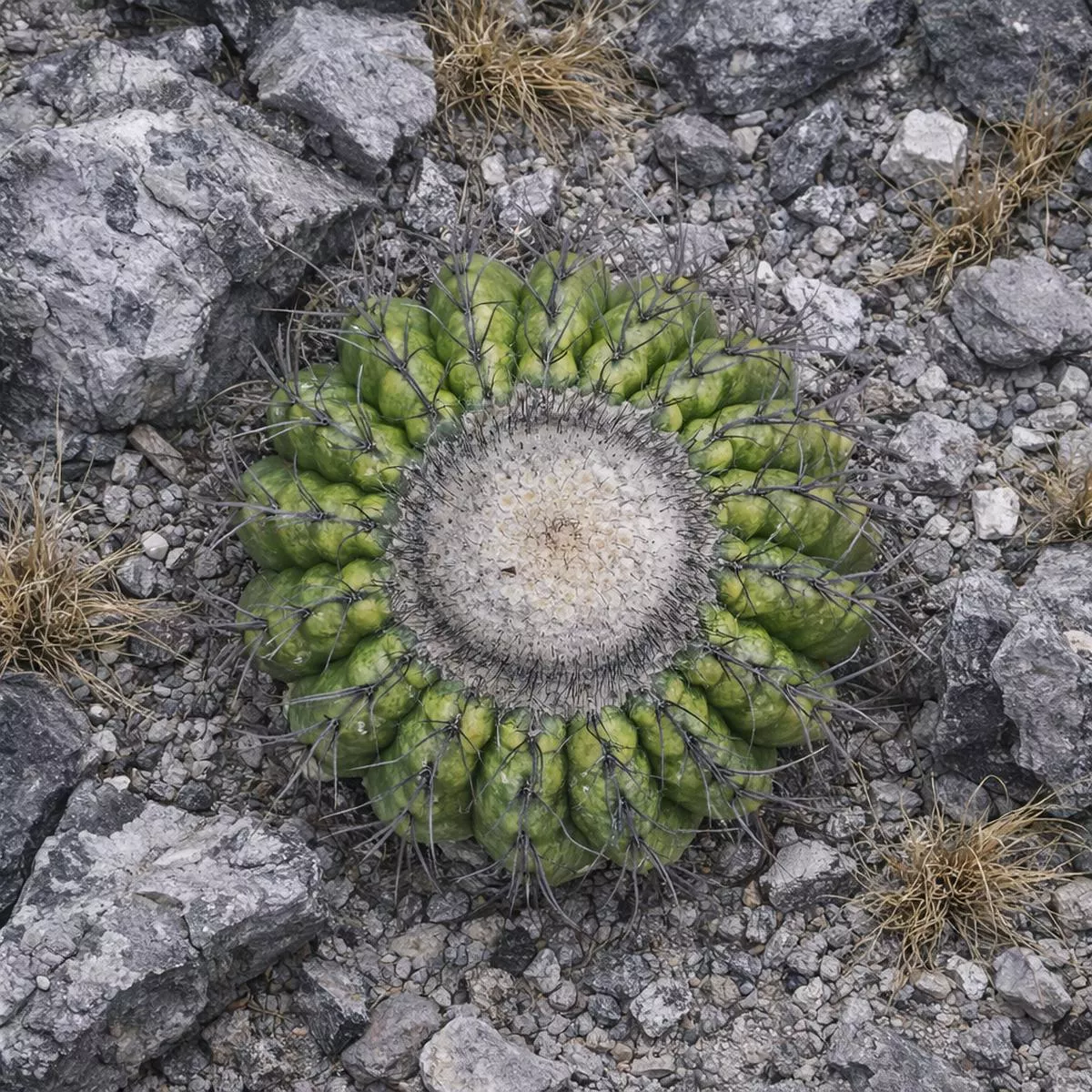
Discocactus sp. Taioberas SEEDS
Original price was: $5.60.$3.40Current price is: $3.40. -
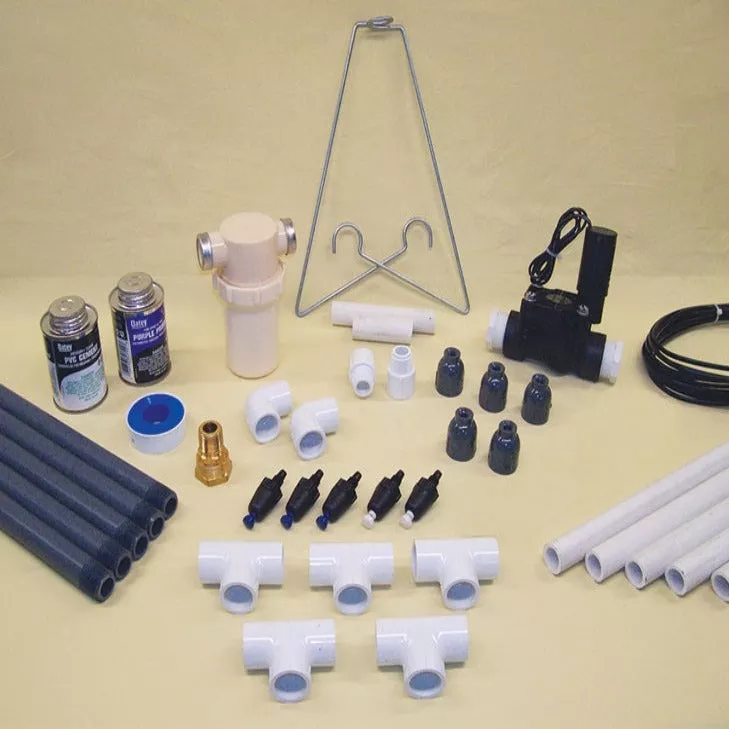
Greenhouse Misting Kit
Original price was: $66.78.$44.67Current price is: $44.67. -
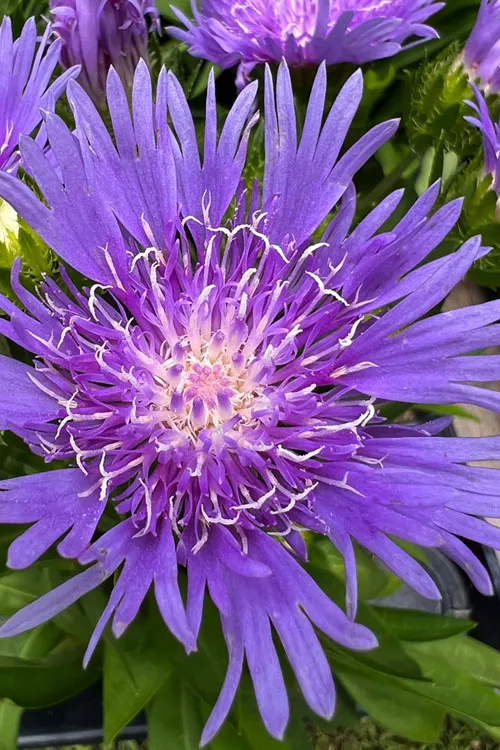
Mel’s Blue Stoke’s Aster (Stokesia) – 1 Gallon Pot
Original price was: $29.58.$22.57Current price is: $22.57. -
Weeping Giant Redwood Tree – 6 Gallon Pot
Original price was: $199.98.$138.96Current price is: $138.96. -
Espoma Seed Starter Mix
Original price was: $6.39.$5.01Current price is: $5.01. -
Aquascape – Medium Stacked Slate Fire and Water Sphere Landscape Fountain Kit – No Pump
Original price was: $239.99.$161.90Current price is: $161.90. -
Appalachian Mountain Mint (Pycnanthemum flexuosum) – 1 Gallon Pot
Original price was: $29.58.$15.28Current price is: $15.28.