Reinders – Poa Supina Shade Seed – 1 LB Bag
Original price was: $21.60.$13.16Current price is: $13.16.
Description
Supina bluegrass is a perennial cool season grass that spreads by stolons (lateral aboveground stems) to form a dense turf. Roots often develop at nodes, anchoring the stolons to the ground. The short ligules and thick stolons are especially useful to distinguish supina bluegrass from annual bluegrass and rough bluegrass. Leaf length and width is similar to that of Kentucky bluegrass.
Seedheads are produced annually each spring, usually early to mid-May, and are distinguished from annual bluegrass seedheads by their purple seed coverings. Seedheads can be produced at any mowing heigh though are more common at higher heights. Seedhead production declines each year of the turf stand.
The color of supina bluegrass is typically a light green which helps the grass to stand out compared to darker green ornamental foliage or grasses.
Additional Features:
Superior Shade Tolerance
This grass is one of the best choices for densely shaded, moist sites. It can grow in as much as 90% shade. In dry shaded sites, fine fescues should be used.
Excellent Cold Tolerance
Supina bluegrass is one of the first grasses to green up as the snow melts in later winter and early spring. Root and shoot growth begins as early as March.
Irrigation
Supina bluegrass should receive 1-1-1/2″ of water per week to maintain medium- to high-quality turf. Irrigate at least once or twice a week except during periods of frequent rainfall. Use the higher rate of irrigation during hot (>80°F) or windy conditions. Sandy soils will require more frequent irrigation than loam or clay soils. Do not irrigate to the point of runoff; instead, allow the water to soak into the soil before completing irrigation.
Diseases
Relatively few diseases occur on supina bluegrass and major problems are rare. Occasional diseases of supina bluegrass include dollar spot, microdochium patch (pink snow mold), pythium blight, and summer patch. The best way to limit damage from disease is by providing proper growing conditions and good fertility.
For Use On
- High traffic areas
- Golf courses
- Athletic feilds
- Densly shaded and moist sites
Seeding Rate
1 LB/1,000 SQ FT
Related products
-
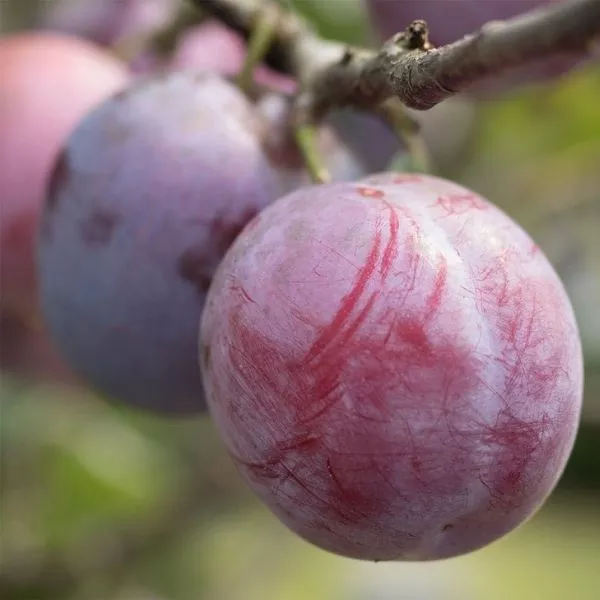
Simka Plum – Paper Pot 4-5 Feet
Original price was: $24.92.$14.20Current price is: $14.20. -
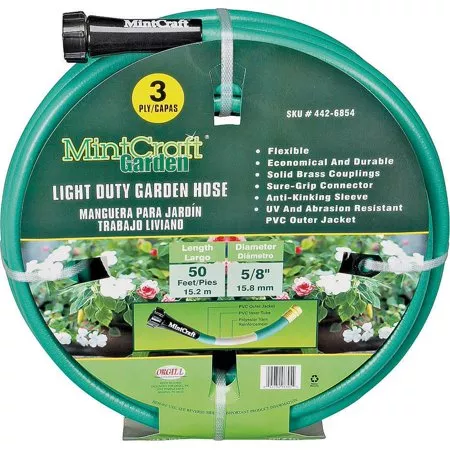
Landscapers Select Garden Hose, 50 ft
Original price was: $9.60.$7.07Current price is: $7.07. -
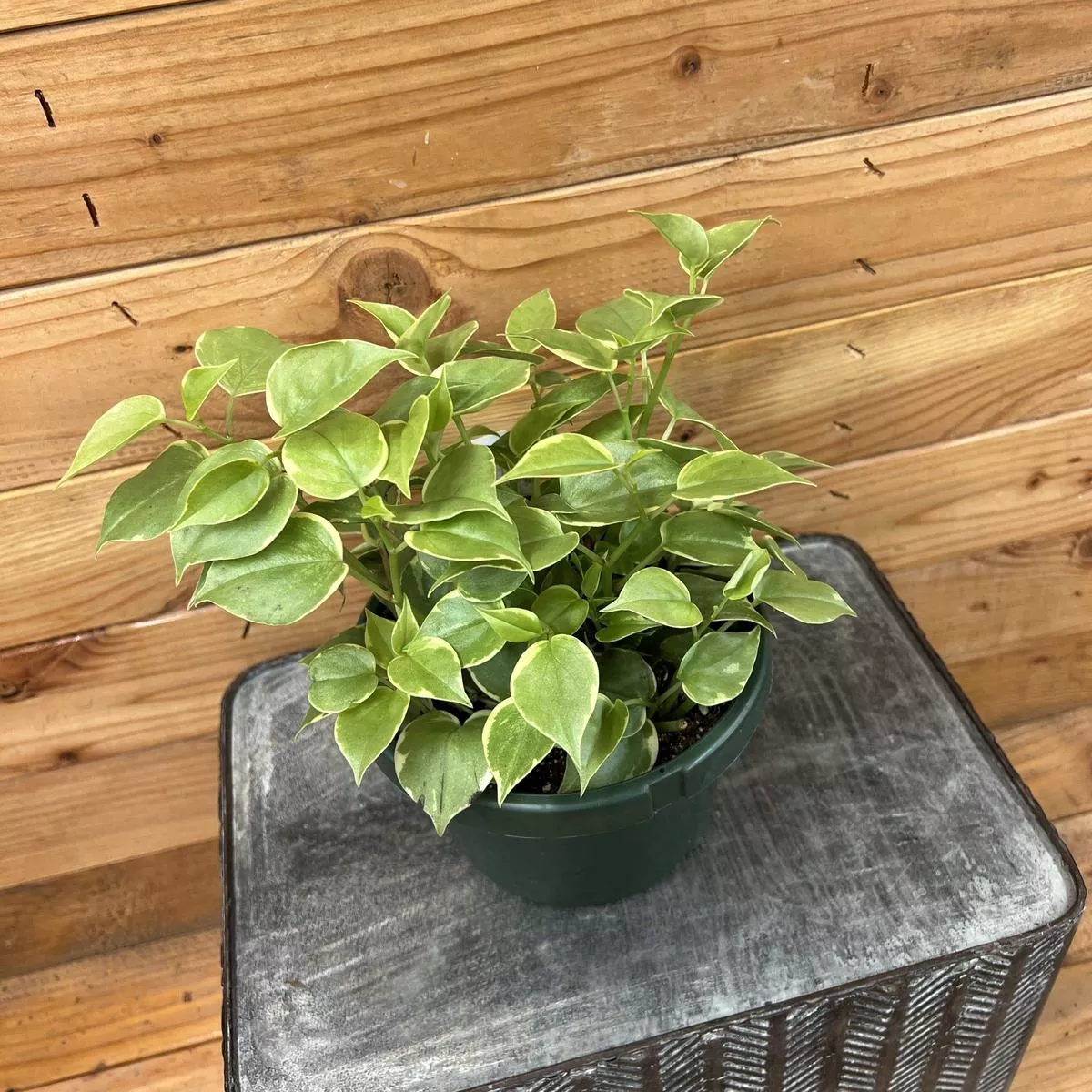
Peperomia Scandens Variegated, 6 ” Plant
Original price was: $12.79.$9.07Current price is: $9.07. -
Echinocereus adustus var. roemerianus SEEDS
Original price was: $4.00.$2.15Current price is: $2.15. -
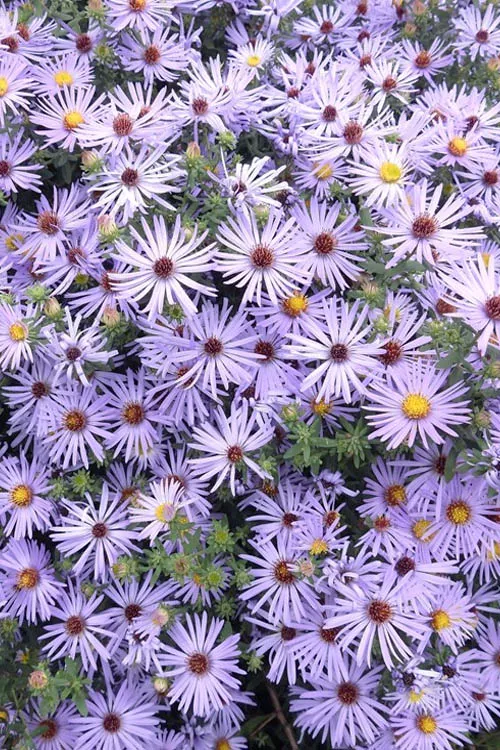
Sky Blue Aster – 1 Gallon Pot
Original price was: $29.58.$23.33Current price is: $23.33. -
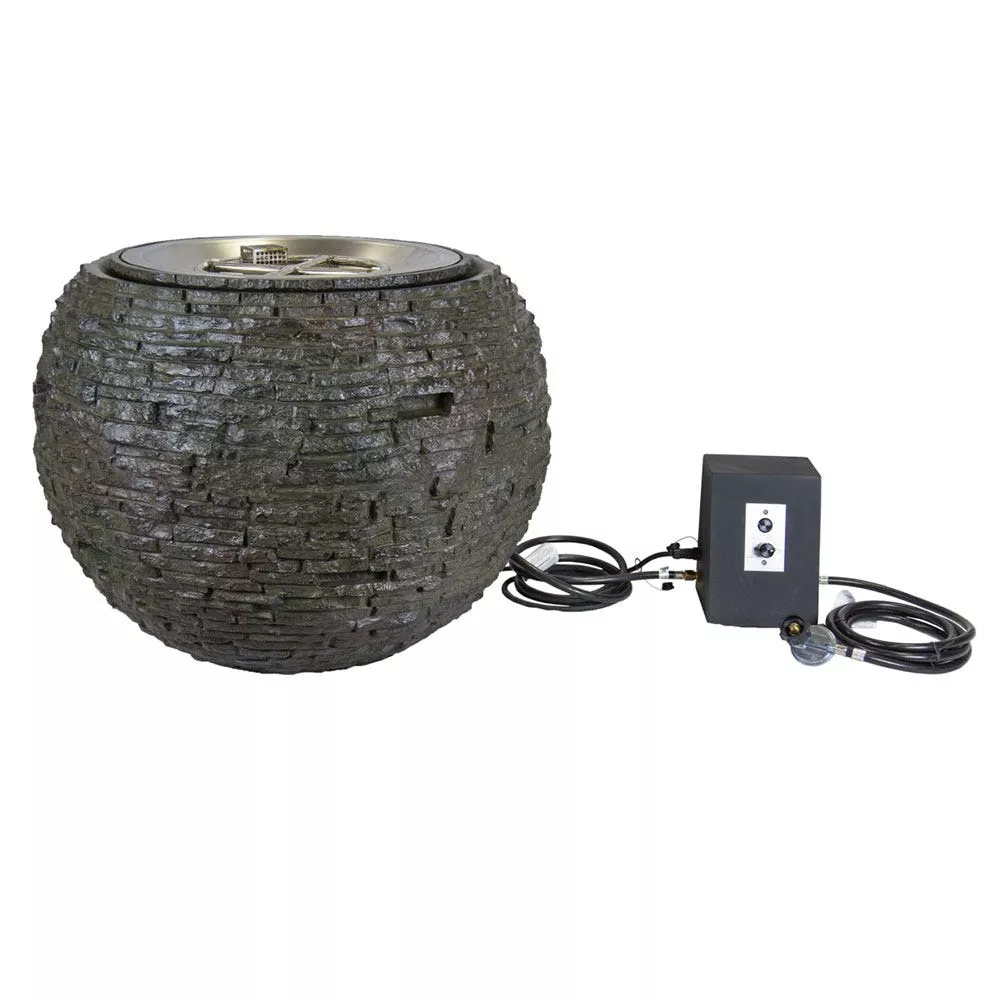
Aquascape – Medium Stacked Slate Fire and Water Sphere Landscape Fountain Kit – No Pump
Original price was: $239.99.$161.90Current price is: $161.90. -
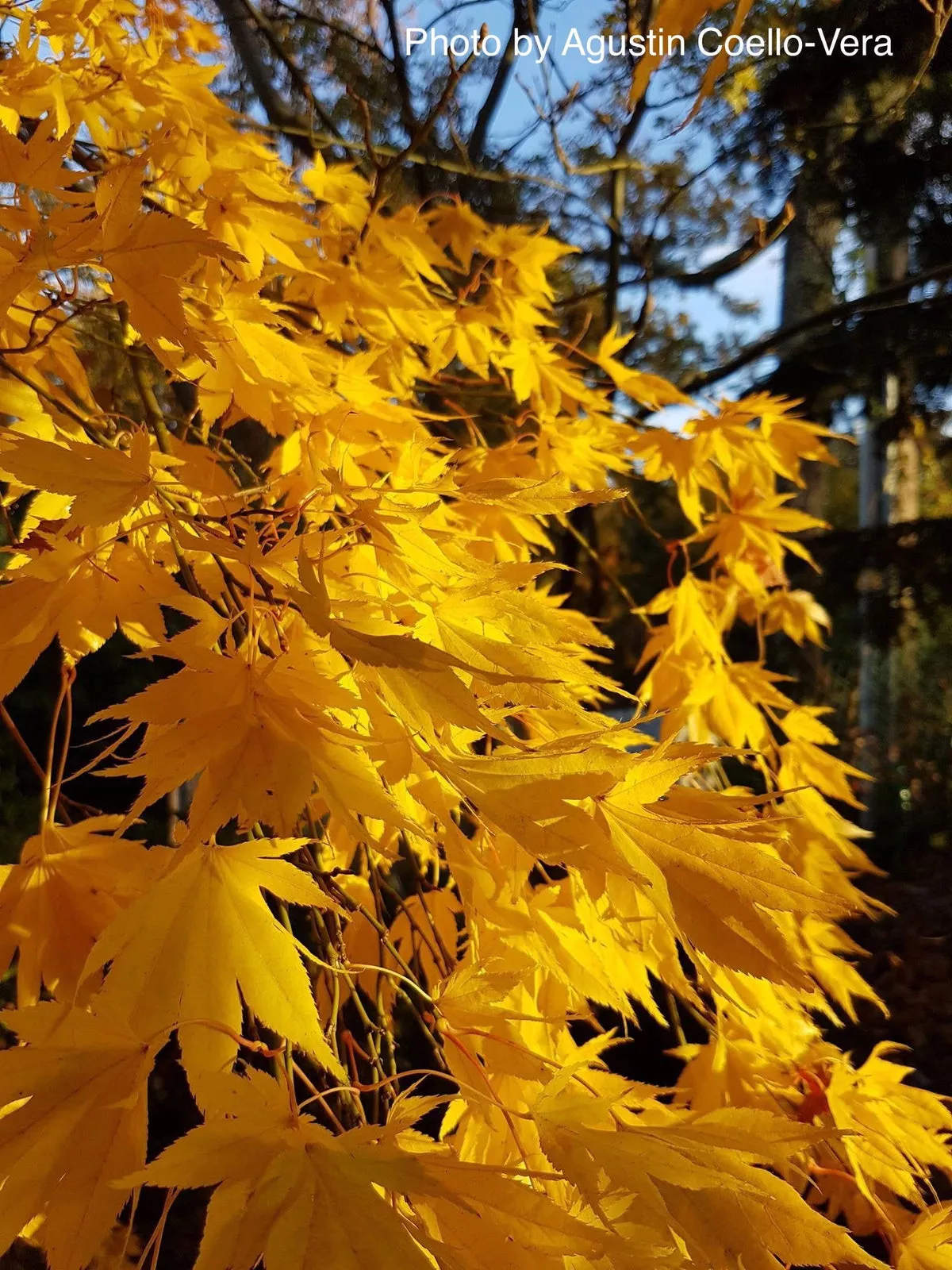
Acer palmatum ‘Matsuyoi’ Japanese Maple – 1 gallon Low Graft (LTD)
Original price was: $10.80.$8.34Current price is: $8.34. -
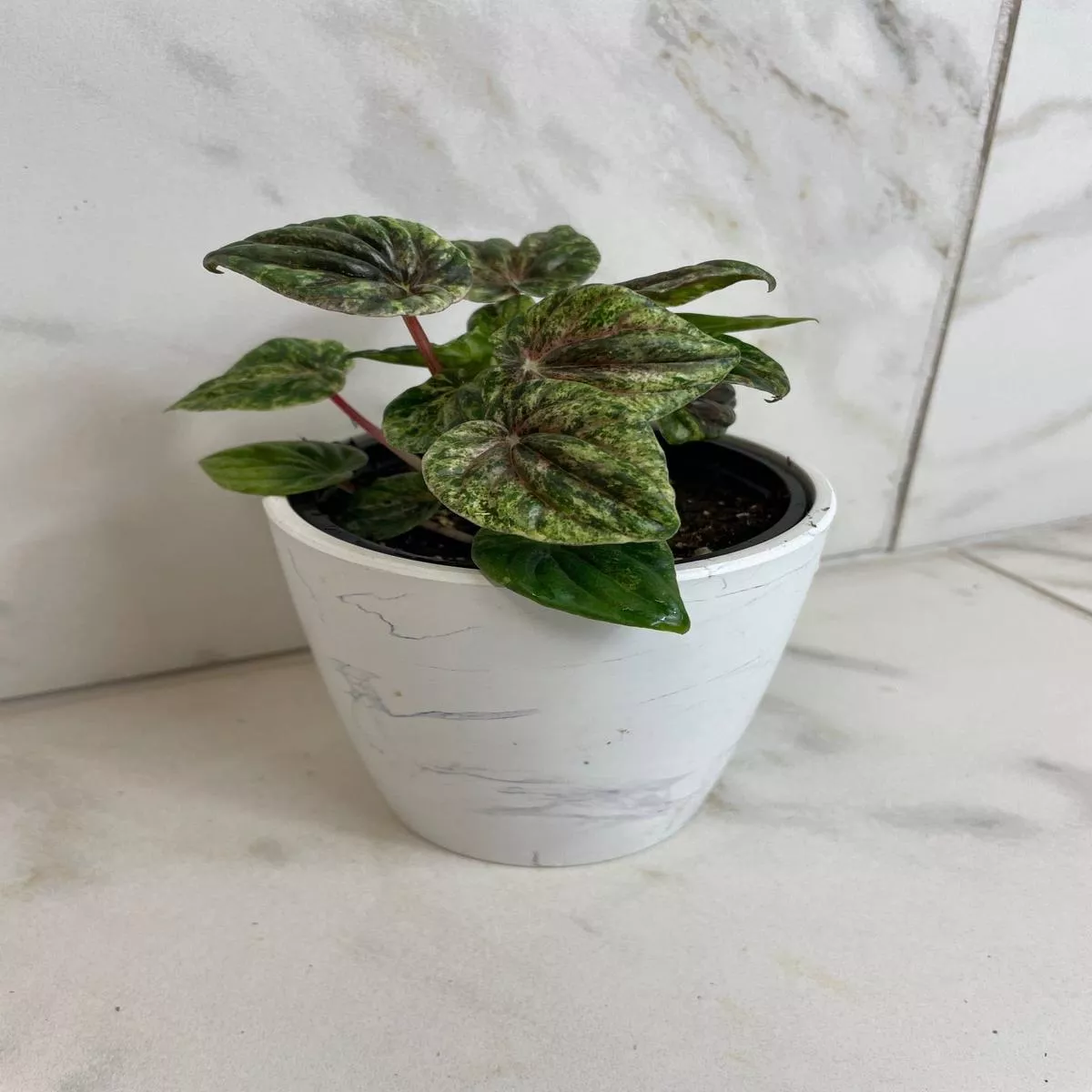
Peperomia Buenos Aires, 4 ” Plant
Original price was: $8.31.$4.62Current price is: $4.62.